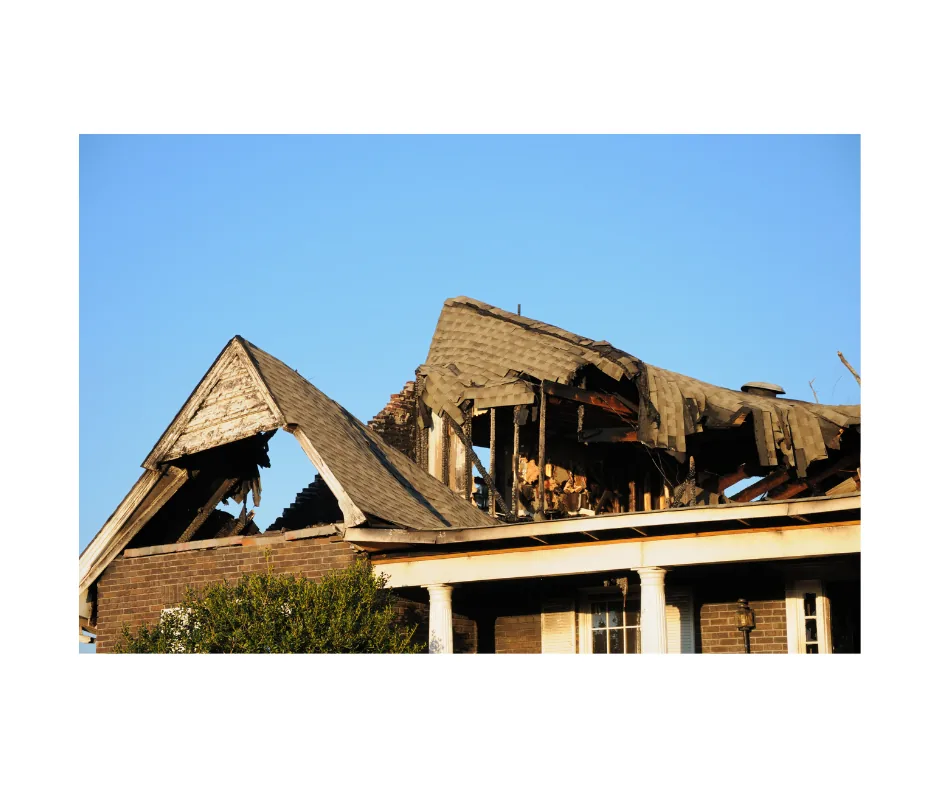
Once the fire department clears out, the real cleanup starts — smoke odor, soot residue, and the water damage from putting the fire out in the first place. In Nassau County, storm-stressed electrical lines are also a documented contributor to fires, which is part of why we look at the electrical picture, not just the burn area.
Call (516) 518-6255See Services
Securing the property is the first move, day or night, before anything else.
We check air quality and residue in rooms nowhere near the fire before we call the job finished.
This is our specialty, not a sideline we picked up doing general contracting.
Documentation built for your claim from the first walkthrough.
There isn't a town in Nassau County we'll turn down a fire & smoke damage restoration call for.
See All Communities We Serve →Openings get sealed against weather and entry before we do anything else.
We chase the odor to its source rather than covering it up — that means the ductwork too, not just visible surfaces.
Firefighting water is often overlooked — we pull it out and dry the structure so a fire call doesn't turn into a mold call.
Crew dispatched immediately, safety guidance given over the phone while they're en route.
Board-up happens before the walkthrough — securing the property comes first, assessment second.
Three things happen in parallel: debris comes out, drying starts where water was used, soot treatment gets underway.
Whatever the fire took gets repaired or replaced, and the odor treatment is verified before we call it done.
“Garage fire from what turned out to be storm-damaged wiring. They caught the electrical angle the fire marshal missed.”
“Smoke smell was gone faster than I expected. They treated the whole upstairs, not just the room that burned.”
“Insurance process was painless because they'd already documented everything before the adjuster showed up.”
Board-up and initial mitigation typically start within the hour of the call.
Generally yes — fire, smoke, and suppression-water damage are standard covered perils under most homeowner's policies.
Yes — downed or stressed power lines during severe weather are a documented contributor, especially in areas still served by overhead rather than buried lines.
Cleaning up visible soot is maybe a third of it. The rest is drying anything suppression water touched, treating the HVAC system the smoke traveled through, and handling contents — furniture, textiles, electronics — separately.
Cooking equipment and electrical faults lead, with storm-related wiring damage adding a real seasonal factor.
Highly dependent on scope. Direct carrier billing on a covered claim significantly reduces out-of-pocket cost for most homeowners.
Always check — smoke moves through ductwork and wall cavities well past the room of origin.
Every town below gets its own fire & smoke damage restoration page, organized by area of the county.
Need Water Damage Restoration or Mold Remediation instead?
Nothing to pay for the first look, and if it's covered, your carrier gets billed — not you.
Call (516) 518-6255